Visibility is everything – dominate search with powerful SEO
What Is (SEO) Search Engine Optimization ?
SEO stands for Search Engine Optimization. It is the process of improving a website so that it appears higher in search engine results like Google, Bing, or Yahoo. The goal is to attract more organic (free) traffic to your website when people search for information, products, or services related to what you offer.
Imagine you own a bakery in Delhi. When someone searches on Google for "best bakery in Delhi", you want your bakery’s website to show up on the first page of results. SEO helps make that happen.
Search engines like Google use complex systems, called algorithms, to decide which websites show up first. They consider many factors such as:
-
The quality of your content
-
How fast your website loads
-
Whether your website works well on mobile phones
-
How many other websites link to yours (called backlinks)
-
Using the right keywords (the words people type into search engines)

How Dose Search Engine Optimization Work ?
Search Engine Optimization (SEO) works by helping search engines like Google understand what your website is about, so they can show it to the right people when they search for something related. It starts by using the right keywords — the words people type into search bars — in your website’s content, titles, and descriptions. Search engines also look at how helpful and original your content is, how fast your site loads, if it works well on phones, and how easy it is to navigate. Another big part of SEO is getting other trustworthy websites to link to yours, which shows search engines that your site is valuable. All of these things help your website appear higher in search results. The higher your site shows up, the more likely people will visit it. So, SEO is like making your website easy to find, understand, and trust — both for people and for search engines.
Categories Of Search Engine Optimization ?
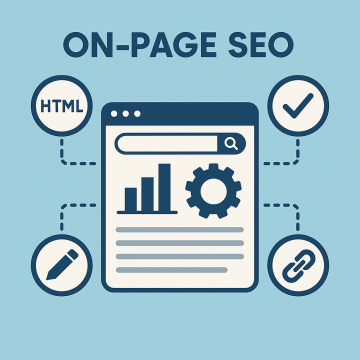
On Page Search Engine Optimization (seo)
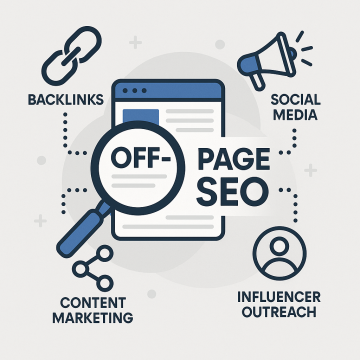
Off Page Search Engine Optimization (seo)
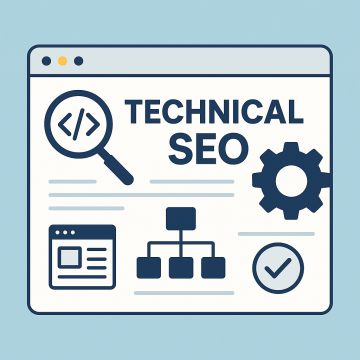
Technical Search Engine Optimization (seo)
On-page SEO means improving your website content and structure so that search engines like Google can understand it better. It includes things like using the right keywords, writing clear and helpful content, adding proper headings, using image alt tags, and making sure your website loads fast and works well on mobile. All these help your site show up higher in search results and attract more visitors.
Off-page SEO refers to all the activities done outside your website to improve its ranking on search engines. It mainly includes building high-quality backlinks from other trusted websites, promoting your content on social media, and getting your brand mentioned on different online platforms. These actions help search engines see your website as more popular and trustworthy, which can boost your visibility and bring more visitors to your site.
Technical SEO refers to optimizing the technical aspects of a website to help search engines crawl, index, and understand it better. This includes improving site speed, making sure the website is mobile-friendly, using a secure HTTPS connection, creating an XML sitemap, fixing broken links, and organizing the website’s structure properly. All these steps help search engines find and show your website more easily, which can improve your ranking in search results.
Techniques 0f SEO
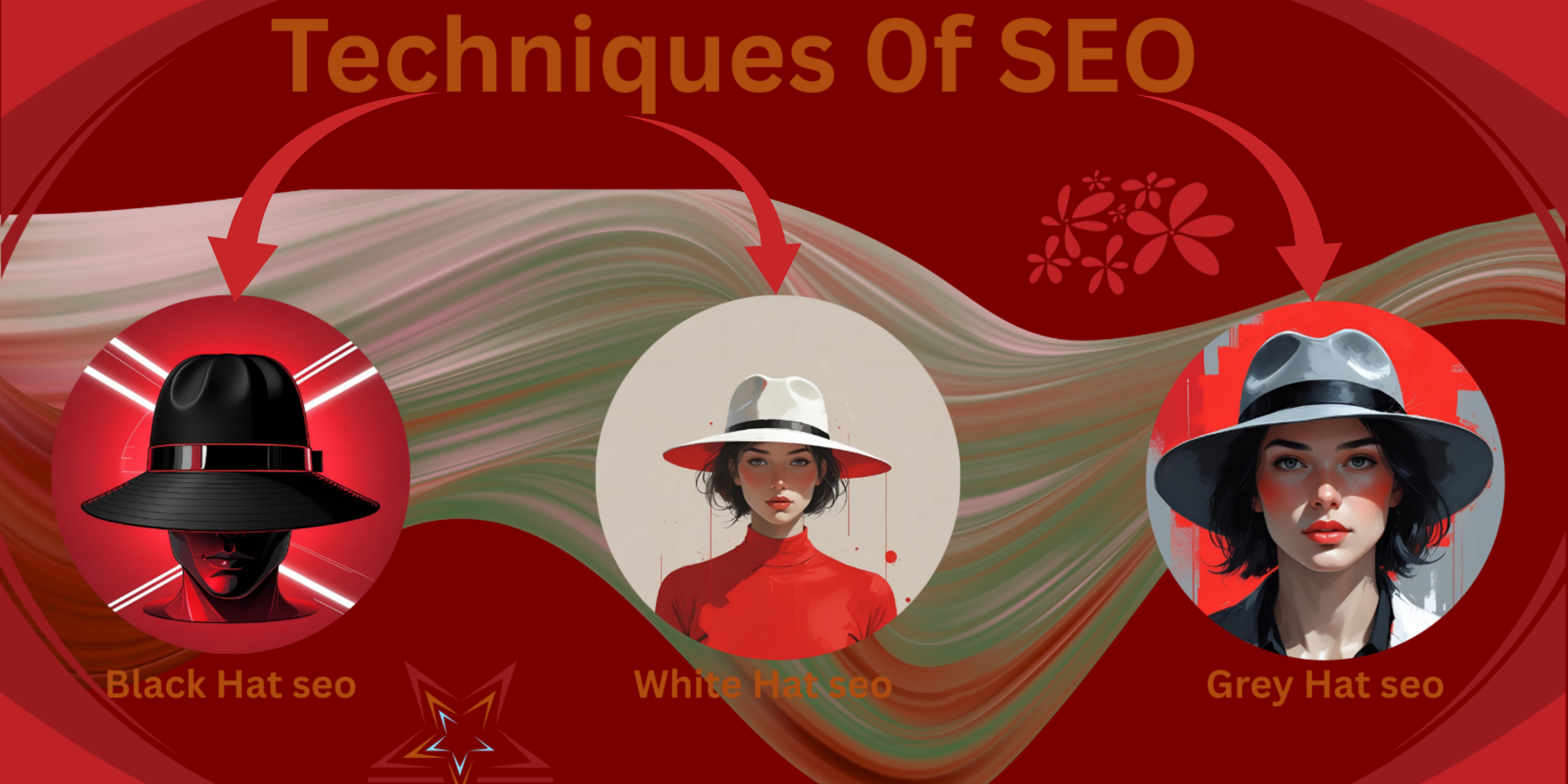
Black Hat Seo
Black Hat SEO refers to a set of unethical practices used to increase a website's search engine ranking in ways that violate search engine guidelines, particularly those set by Google. These techniques aim for quick gains rather than long-term growth and often result in penalties or bans from search engines when discovered. Unlike white hat SEO, which focuses on providing value to users through high-quality content and legitimate optimization strategies, black hat SEO exploits loopholes in search algorithms to manipulate rankings. Some of the most common black hat techniques include keyword stuffing, cloaking, hidden text or links, doorway pages, and link schemes. Keyword stuffing involves overloading a webpage with keywords in an unnatural way to trick search engines into thinking the content is highly relevant. Cloaking is the practice of showing one version of a webpage to users and a different version to search engines. This misleads the algorithm about the actual content of the page. Similarly, doorway pages are low-quality web pages stuffed with keywords designed solely to funnel users to another destination, usually without providing any real value.


White Hat Seo
White Hat SEO refers to the right and ethical way of improving a website's visibility on search engines like Google, Bing, and Yahoo. It means following all the rules and guidelines set by search engines to get better rankings and more traffic in an honest way. Unlike black hat SEO, which tries to trick search engines, white hat SEO focuses on creating real value for users and building a strong, long-term online presence.
One of the main techniques in white hat SEO is creating high-quality content. This means writing useful, original, and interesting information that people want to read. When you create helpful content that answers people’s questions or solves their problems, search engines are more likely to show your website in the top results. Content should be well-written, easy to read, and related to the keywords people are searching for. Using keywords naturally in titles, headings, and throughout the content is a part of white hat SEO.
Grey Hat Seo
Grey Hat SEO is a mix of both white hat and black hat SEO techniques. In simple words, white hat SEO follows all the rules and guidelines set by search engines like Google. Black hat SEO breaks those rules to get quick results. Grey hat SEO falls somewhere in the middle. It includes methods that are not clearly right or wrong. These techniques may not be officially banned by search engines, but they are risky and could lead to penalties in the future if search engine rules change.
People use grey hat SEO to get better rankings faster than white hat methods, but without taking as much risk as black hat SEO. Some examples of grey hat techniques include buying old domains with good authority to pass SEO value to a new website, using clickbait titles to get more traffic, spinning articles (rewording existing content to make it look new), or posting blog comments with backlinks. These techniques are not always illegal or unethical, but they can be seen as manipulative.