
“Zero-Click Search: How to Win When Google Keeps the Traffic”
Introduction
More and more searches end with the answer shown on the results page — no click required. In 2024 roughly 58.5% of U.S. Google searches and 59.7% of EU searches resulted in zero clicks, meaning users got what they needed without visiting another site.That trend accelerated as Google added rich features and AI overviews that summarize answers on-SERP, shrinking organic traffic for many publishers. Winning today means adapting your strategy to own the SERP and capture value even when users don’t click through.

Step 1 — Design content to be the SERP answer
Goal: win featured snippets, People Also Ask (PAA), and short answer boxes. Structure pages so search engines can copy short, precise answers: use a clear H2 question, then a 40–60 word paragraph, a bullet list or table, and a source link. Even when clicks drop, owning that “position zero” builds brand exposure and trust — and ranking #1 still delivers disproportionate CTR when clicks happen.
Step 2 — Use schema and on-SERP interactions to capture micro-conversions
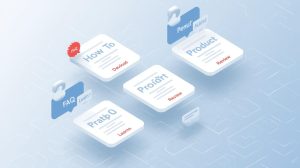
Schema (FAQ, QA Page, How To, Product, Review) makes your content eligible for enhanced SERP features (expandable answers, review stars, rich cards). Add in-SERP CTAs where available (FAQ markup with links to lead magnets, contact widgets, event schema). Even if the user doesn’t click, structured data increases trust and can drive brand searches later.

Step 3 — Own Google’s real estate (YouTube, Maps, Knowledge Panel)
A big slice of clicks that do happen goes to Google-owned properties (YouTube, Maps, etc.). Make those channels part of your content plan: convert key articles into short videos, claim and optimise your Google Business Profile, and build a Knowledge Panel (via consistent structured data, strong About pages, and authoritative mentions). Being visible inside Google’s ecosystem turns zero-click visibility into audience assets.
Step 4 — Write for intent, but prioritise on-SERP utility
Classify queries by intent (informational, navigational, transactional). For informational queries — the most likely zero-click candidates — create concise answer-first sections near the top of the page and follow with deeper, value-packed content. For transactional queries, design high-converting landing pages that do need clicks (clear offers, pricing, product schema).
Step 5 — Invest in brand and navigational queries
Branded searches still drive higher click-through and are fewer zero-click candidates. Grow brand recall through consistent branding, PR, content partnerships, and social proof so when people search your category they add your brand term (e.g., “best CRM — [your brand]”) and click through. Spark-Toro’s analysis shows informational queries are much more likely to be zero-click; brand queries behave differently — use that to your advantage.
Step 6 — Diversify content formats and capture attention off-page
If Google’s SERP keeps the quick answer, catch attention elsewhere: short-form video, newsletters, gated guides, social media micro-content, and podcasts. Convert SERP visibility into other touch point — e.g., a snippet that cites your brand can be repurposed as an Instagram carousel, driving audience growth that doesn’t depend solely on clicks.
Step 7 — Measure differently: visibility, micro-conversions, and outcomes (not just sessions)
Stop optimising solely for sessions. Track SERP impressions, featured-snippet wins, brand search lift, micro-conversions (newsletter signups, calls booked, PDF views), and assisted conversions. Many marketers are still focused on traffic — Spark-Toro argues that in a zero-click world traffic alone is a weak KPI; pivot to the metrics that show business impact.
Conclusion
Zero-click search isn’t the end of SEO — it’s a signal to evolve. Focus on being the answer, owning Google’s surfaces, building brand recall, and measuring real business outcomes (not just clicks). Do this and you’ll win visibility, trust, and conversions even when Google keeps the initial traffic.
